
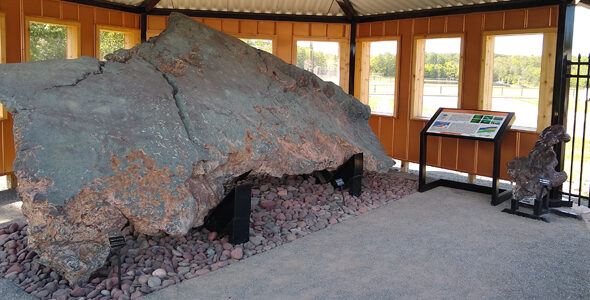
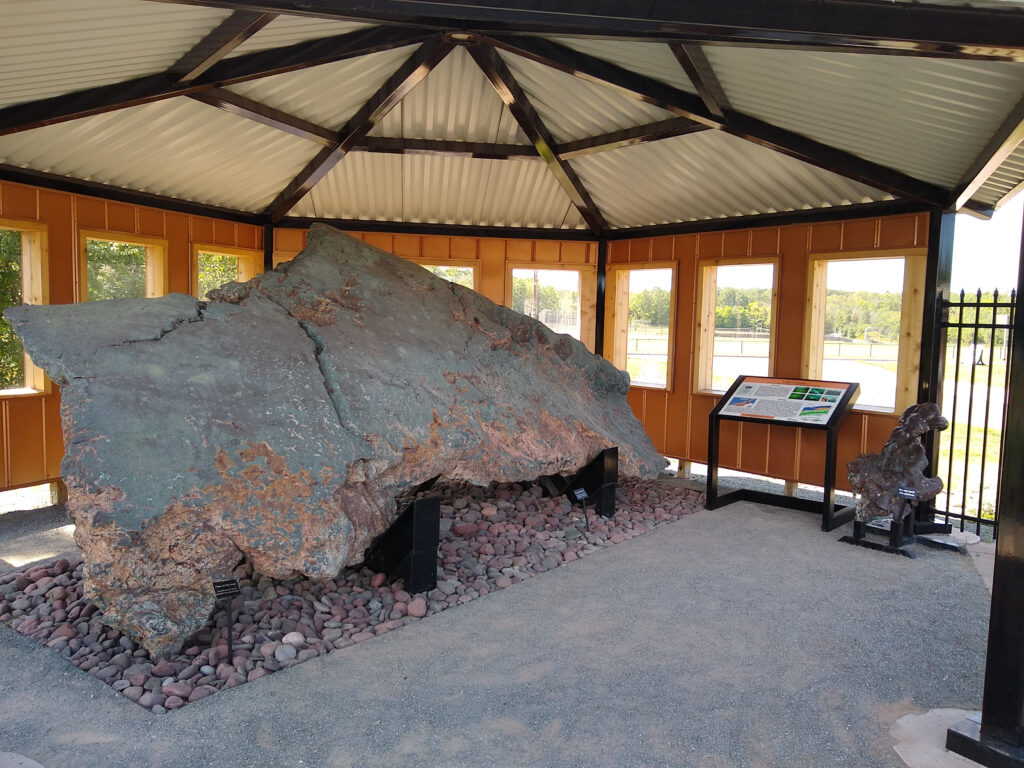
Hidden in Michigan’s Keweenaw Peninsula is a copper wonder that feels like the earth showing us its raw strength. At the A. E. Seaman Mineral Museum in Houghton, you can stand in front of the largest piece of native copper ever recovered from Lake Superior. At 19 tons, it is a giant unlike anything most of us have ever seen.
What it is
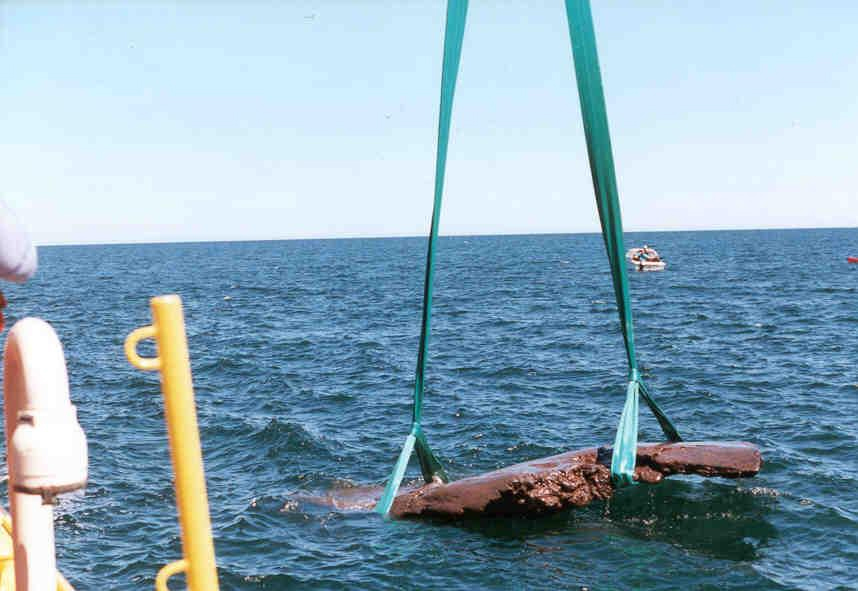
This massive copper slab was discovered underwater in 1991 between Eagle River and Eagle Harbor. It took a full decade before divers were able to bring it to the surface in 2001. Now resting in the museum’s Copper Pavilion, it holds the Guinness World Record as the largest native copper boulder recovered from the bottom of Lake Superior.
How it came to be
More than a billion years ago, molten rock filled cracks in the earth and cooled into copper veins. This piece broke away from its vein and rested on the lake bottom for thousands of years. Glaciers passed over it, smoothing the top surface and carving grooves into it. The underside, pressed against the lakebed, remained rough and jagged. You can see both faces today, a perfect contrast of nature’s polish and raw force.
Why it matters
As someone who works with copper every day, I find it incredible to see the metal in such a pure, untouched form. It reminds me that copper is more than a material for making jewelry or tools. It carries the story of deep time, glaciers, and the waters of Lake Superior. Pieces like this connect us to the land in a way that feels both ancient and alive.
Fun facts
-
The copper is often called “Lake Copper” to set it apart from “float copper.” Float copper refers to smaller pieces carried and dropped by glaciers. This slab is much larger and stayed closer to where it originally formed.
-
Beside the giant slab in the museum is a smaller piece, about 250 pounds, with the same story of formation and discovery.
-
The copper is on permanent loan to the museum from the State of Michigan’s Department of Natural Resources.
Where to see it
You can visit the slab in the Copper Pavilion at the A. E. Seaman Mineral Museum on the campus of Michigan Technological University. If you love geology, history, or simply the awe of standing before one of nature’s most impressive creations, this is a stop worth making.